
Reading Porto’s azulejos at street level
How to look at historic tile panels in Cedofeita, Sé, and Miragaia: and what street-level photographs and souvenir guides often miss.
- Written by
- Miguel Enes
- Published
- Reading time
- 10 min read
Miguel Enes — More than 15 years building software and turning complex systems into simple, reliable guest-facing tools.
How façades became public stories
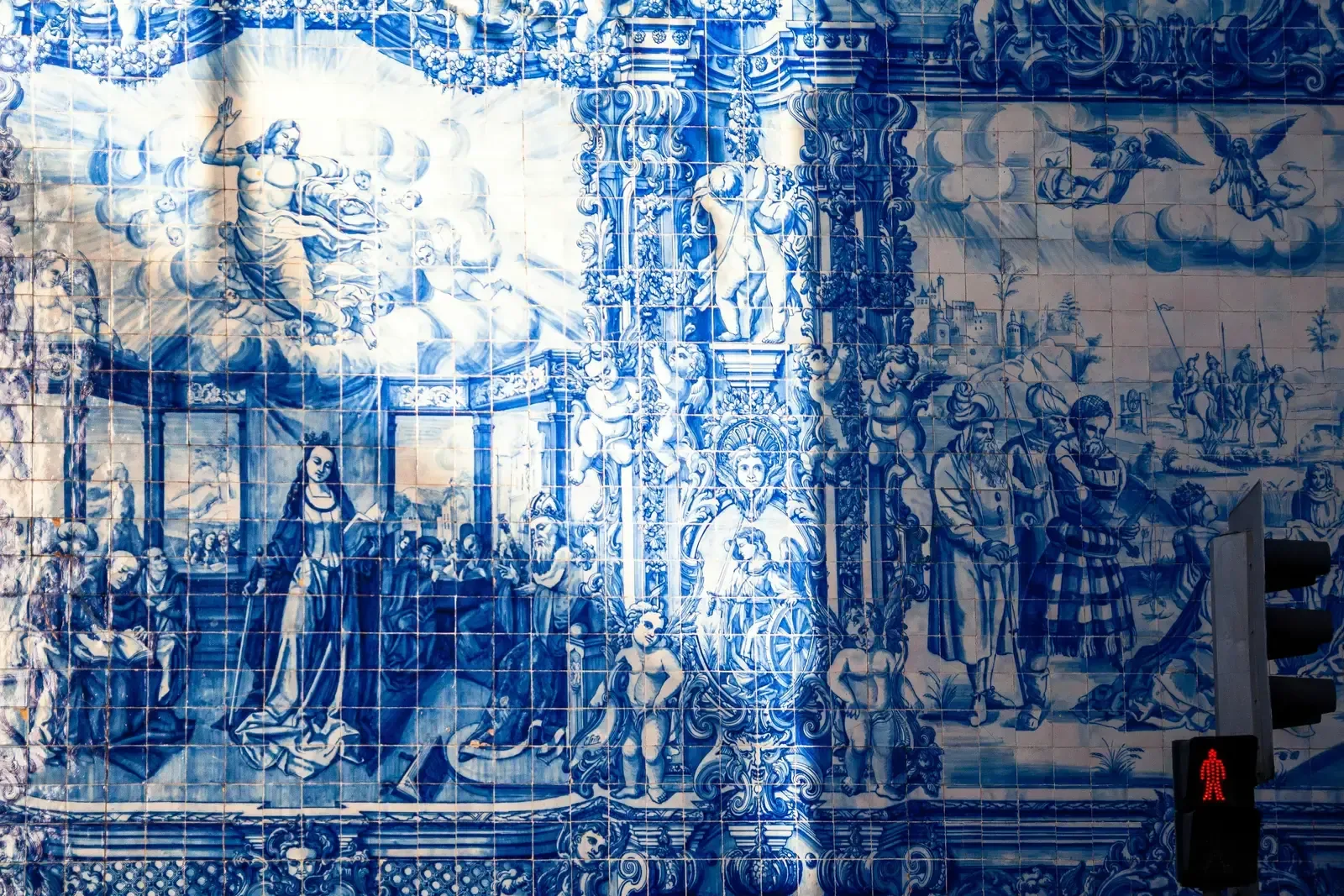
Long before Porto had dedicated art museums, builders and workshop orders turned ordinary street fronts into narratives people walked past every day. Most of the panels still visible were commissioned in the nineteenth century by shopkeepers and small religious orders (not the municipality), which is why the designs rarely feel identical from one block to the next.
Look above street level
Panels closest to the pavement are the easiest to photograph, but those above the first floor are often older and more carefully composed. Bring binoculars or a telephoto lens if you can: the worn face of a saint on a Cedofeita façade is easier to read with a little distance than from a hurried glance at ground level.
Geometry as a neighbourhood signature
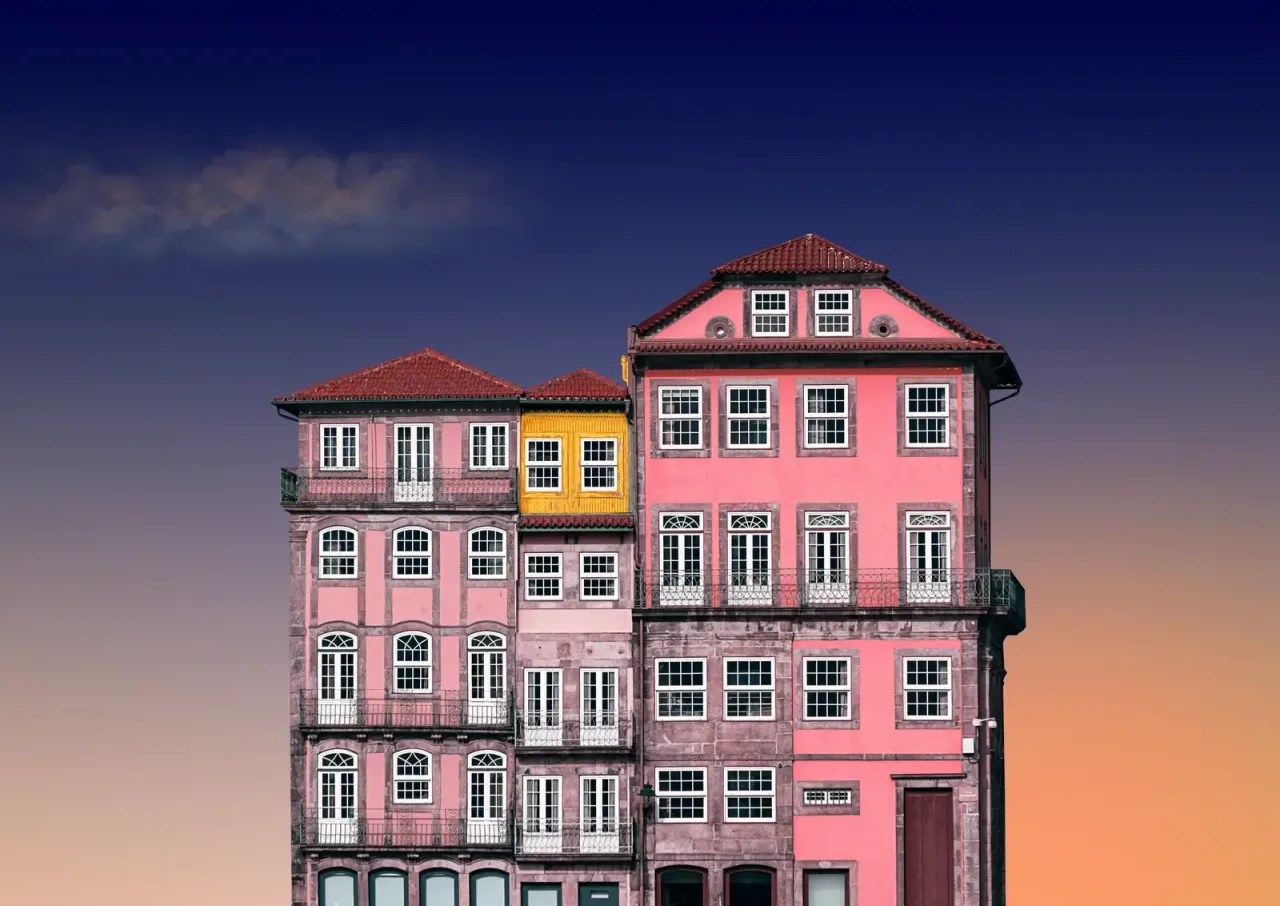
Geometric tiles on house fronts were not only decoration; in the 1880s they also signalled taste among Porto's middle class. Patterns repeat between neighbours because they often came from the same factory order. Walk Rua de Galerias de Paris and you can compare three households' preferences on a single block. For a paced route with context, consider a private azulejos and architecture walk.
Sao Bento and Carmo in one morning
The Sao Bento atrium needs distance. Hold a side wall for two minutes and read the panels in sections.
Carmo side wall near Praca Carlos Alberto gives a different register from Capela das Almas. If Santa Catarina is scaffolded, shift stops.
Guards tolerate quiet looking in the station. They do not tolerate tripods in the passenger flow.
Cedofeita geometry and Miragaia grades
On Rua de Galerias de Paris, compare three house fronts on one block.
In Miragaia, look above the ground floor. Upper courses keep clearer colour.
For a paced route with context, request a private azulejos and architecture walk. Pair later with a Ribeira food walk only if you leave a real gap between the two.
Conservation and honest timing
Scaffolding means outdoor work in Atlantic weather, not failure. Move to the next stop on your list.
Wear shoes with grip around Se and Miragaia after rain.
Touch nothing. Oils darken glaze. Keep shop doorways clear while you look.
Keep water in your bag and pause in shade when granite radiates heat after midday. Confirm last metro and train times before you leave for Gaia in the evening. Share one clear meeting point with your group before anyone steps away for photographs. Carry a light layer; wind on the bridge and river can cut through a warm afternoon. Buy fruit you can peel rather than soft items that crush in a day bag on steep streets. Use cash for small street stands and cards for larger counters when machines work. Give yourself buffer time between climbs and tastings so the day stays readable. Watch for delivery vans on market streets during the first morning hours. Stand aside from doorways when you stop to look at façades or river views. Choose one long stop and one short stop rather than three hurried viewpoints. Write down street names you liked so you can return without another full climb. Ask your accommodation for a printed map if phone data drops in older lanes. Wear shoes with grip; polished stone near viewpoints and churches stays slick after rain.
Eat before long climbs so hunger does not rush the next decision. Leave large luggage at the accommodation; day bags move better through crowds. If a façade is scaffolded, move to the next stop instead of waiting on someone else's works schedule. Morning visits reward questions; late mornings reward atmosphere and denser crowds. Children tire faster on stairs than on flat aisles; plan an exit before fatigue turns sharp. A short coffee after a focused visit beats a second unfocused loop through the same space. Share the lunch plan so hunger does not drive the last purchase by the door. Atlantic weather shifts fast; keep a thin rain shell even when the morning looks clear. Steep granite blocks punish soft soles; choose shoes you already trust on wet stone. If someone needs a toilet break, handle it before entering a crowded hall or terrace. Name the next transport stop out loud so the group shares the same exit plan. Skip the urge to photograph every stall or panel; pick three frames and move.
Good to know
Do I need to book anything to see the panels?
No. The panels are public façades. A walking visit of the central neighbourhoods takes around 90 minutes.
Are any of the well-known panels currently covered?
Yes. the Capela das Almas on Rua de Santa Catarina is partly scaffolded most summers. The Sé panels and the Carmo side are usually visible year-round.
How should I pace the day?
Keep one long stop and one short stop. Leave buffer for hills and queues.
What shoes work best?
Choose shoes with grip for granite, especially after rain.
Share this post
Useful for planning?
Receive notes like this once a month.